
About Spring Lake Ranch
Spring Lake Ranch is a residential therapeutic community and dual diagnosis treatment program in Cuttingsville, Vermont offering long term care for adults living with mental health conditions and co-occurring substance use challenges.
Founded in 1932 this CARF accredited farm based program blends structured work therapy and clinical services with communal living in a nature centered setting in the Green Mountains. The program emphasizes recovery through meaningful daily contribution, peer connection, and integrated psychiatric and therapeutic support.
Long Term Residential Programs and Work Therapy
Spring Lake Ranch provides long term residential treatment typically ranging from six to 12 months that is designed for adults who have completed detox or inpatient rehab and are ready for stabilization and deeper recovery work.
Admission requires sobriety for those with active substance dependence, positioning the program as a post-acute step for clients needing sustained structure and mental health support.
Daily life integrates work crews (farm, gardens, woods, and shop) alongside client psychotherapy, psychiatry and medication management, ACT based groups, and WRAP planning. Step down options include on-site transitional aftercare at Elliot House and an Independent Apartment Living program to support gradual community reintegration.
Begin Your Recovery Journey at Spring Lake Ranch
The farm accepts private pay only with financial aid available up to 80 percent or more of costs, based on eligibility. Residents enjoy small private bedrooms in small residential houses, hiking trails and yoga, and access to local AA and NA meetings.
Addiction Treatment Programs

Alcohol Rehab
Alcohol rehab in Vermont helps clients find the motivation to make a change and gives them the tools to achieve long-term sobriety. Alcohol rehab may include detox, inpatient treatment, and/or outpatient care. You’ll learn the roots of addiction and learn how to build a substance-free life.

Dual Diagnosis
People with a dual diagnosis may be using substances to self-medicate. A high-quality rehab in Vermont can address both issues and help you reach recovery. A dual diagnosis program uses evidence-based approaches to help you overcome both your mental health concerns and substance use. This may include mental health medication, counseling, and more.

Adult Program
Adult programs in Vermont address a wide range of substance use issues while also helping clients with concerns such as raising children or building a career. An adult program gives you the skills you need to overcome addiction and address the unique challenges of managing your work, relating to your family, raising children, and balancing a variety of other responsibilities

Men's Rehab
A men’s rehab in Vermont addresses the unique needs men have and allows them to build relationships in a gender-specific environment. A men’s program gives you the skills you need to overcome addiction and address challenges such as family relationships, fatherhood, emotional management, and more.

Women's Rehab
Those who join a women’s rehab program in Vermont are given training in key life skills to help them address their unique challenges. A women’s program gives you the skills you need to overcome addiction and address your unique challenges, such as motherhood, building a career, having healthy relationships, and more.

Young Adult Rehab
When people join a young adult rehab in Vermont, they learn key life skills while receiving treatment. A young adult program gives you the skills you need to overcome addiction and address the unique challenges of transitioning from the teen years to adulthood.
Insurance Coverage

Self-pay options
In Vermont, one way to pay for rehab is to use self-pay, also known as private pay. You can use a medical loan, write a check, or electronically send money to the center you prefer. Payment arrangements may vary depending on the type of treatment.

Financing available
One option for paying for rehab in Vermont is using financing options if they are available. Treatment centers may have financing options such as payment plans, grants, or scholarships. You may also decide to get a medical loan to pay for treatment.
Levels of Care
- 1
Inpatient Rehab
Inpatient treatment in Vermont is led by professionals who help you build new habits and skills to live a substance-free life. Some of the elements of inpatient treatment include individual and group counseling, skill-building, relapse prevention, and help with essentials like employment and housing.
Therapies

Creative Arts Therapy
Receiving creative arts therapy in Vermont helps you express deep-rooted emotions, process trauma, and learn how to create a better life for yourself. During treatment, the art therapist may ask you to draw specific things related to recovery, help you interpret your feelings, and guide you in building toward new habits.

Experiential Therapy
When you’re struggling with addiction in Vermont, nontraditional approaches can help you heal. Experiential therapy, which uses hands-on activities to work through emotions, is one example. During experiential therapy, you’ll work through activities that will help you work through past experiences and emotions. Afterward, you’ll have the tools you need to address problems and manage triggers in a healthy way.

Group Therapy
It’s easy to feel isolated when you battle addiction, but group therapy in Vermont can show you you’re not alone. Group therapy sessions generally last 60 to 90 minutes and may include discussing a specific issue, sharing wins and challenges, education about specific topics, or developing life skills.

Individual Therapy
Individual therapy in Vermont can provide professional support and accountability as you work through substance use treatment. Individual therapy is a normal part of evidence-based treatment programs and may be a part of inpatient treatment, outpatient care, or both. Topics include processing past events that may have contributed to substance use, learning new life skills, and relapse prevention strategies.
Location
Contact Spring Lake Ranch

 Sponsored
Treatmentcentersdirectory.com regularly reviews this listing for accuracy but changes may occur between updates. For the most up-to-date information, please contact Spring Lake Ranch.
Top Drug Rehab Centers in Vermont
-
 Vermont
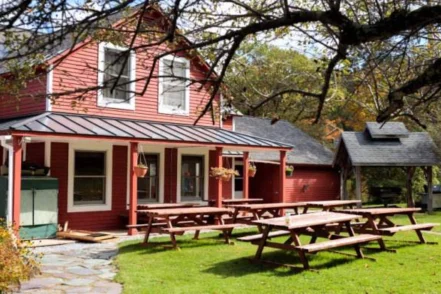
Spring Lake Ranch
1169 Spring Lake Road Cuttingsville, Vermont 05738
-
 Vermont
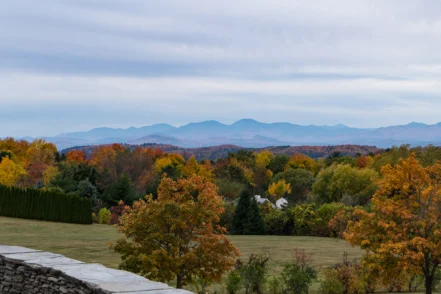
Centerpoint Adolescent Treatment
1025 Airport Drive South Burlington, Vermont 05403
-
 Vermont
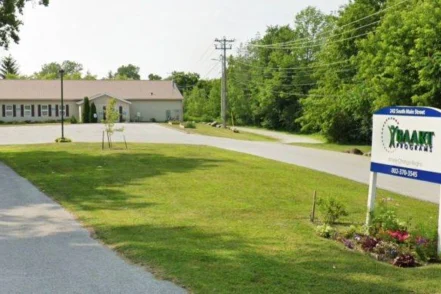
BAART Programs
242 South Main Street, Saint Albans City, VT 05478
-
 Vermont
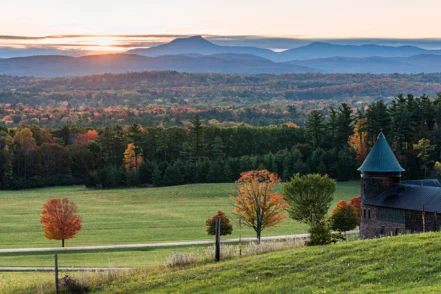
Valley Vista Recovery – Vergennes
1 Alden Place, Vergennes, VT 05491
-
 Vermont
BAART Programs Berlin
617 Comstock Road, Suite 5 Barre, Vermont 05602
-
 Vermont
Burlington Lakeside VA Clinic
128 Lakeside Avenue, 260, Burlington, VT 05401
-
 Vermont
Brattleboro Comprehensive Treatment Center
16 Town Crier Drive Brattleboro, Vermont 05301
- Vermont
Central Vermont Substance Abuse Services
100 Hospitality Drive Barre, Vermont 05641