
About Summit Day Treatment
The Summit Day Program typically deals with teens with behavioral and mental health concerns and accepts those with drug misuse if it’s co-occurring. The Ogden, Utah, location is also an accredited school that combines treatment with ongoing education. The school- like setting has a sense of familiarity and comfort that aids in stabilization.
Intermountain Health, which operates the program, works with several insurance plans and offers financial aid as well. Weber State University and Ogden River Parkway Trail aren’t too far away.
Structured Day Treatment
At the day treatment level of care, your teen will follow one of two tracks based on their needs. The crisis stabilization track is a short term offering focused on addressing immediate needs through therapy. The second track is longer term and incorporates educational needs into therapy and skill building. Both tracks are supported with case management and can lead to stepdown treatment.
Transitional Support
The goal of the program is to help troubled teens thrive at home and school, but that isn’t always easy when they first exit the program. Staff members will help you and your loved one explore schooling options to make the transition easier on them without missing a step in their education needs. They can make personalized recommendations based on the teen’s diagnosis and progress in treatment.
Addiction Treatment Programs

Dual Diagnosis
Dual diagnosis treatment in Utah addresses both your mental health and your recovery needs. In addition to typical detox, inpatient treatment, and outpatient care, a dual diagnosis program may include medication management, additional counseling, and classes on healthy coping and other important life skills.

Young Adult Rehab
Young adult rehab programs in Utah address the unique needs of this stage of life. In addition to typical detox, inpatient treatment, and outpatient care, a young adult program may also teach clients about living independently, budgeting, having healthy relationships, parenting, and more.
Insurance Coverage

Private insurance
There are many ways to pay for rehab in Utah, including using private insurance. Plans vary, so contact the insurer to find out what treatment centers are in your plan’s network and to learn coverage details.

Self-pay options
In Utah one option for paying for substance use treatment is self-pay, also known as private pay. This method allows you to write a check, use a medical loan, or electronically send money to the center you prefer. The fee structure may vary depending on the level of care.

Military insurance
In Utah, military insurance is one of your options when it comes to paying for rehab if you’re a veteran or service member. Plans vary, so be sure to contact your insurer for details. You may have out-of-pocket costs such as deductibles and copays.
Levels of Care
- 1
Partial Hospitalization Program
During partial hospitalization programs (PHPs) in Utah, clients receive intensive evidence-based treatment while living at home or in sober living. PHPs provide up to 20 hours of treatment per week. Some sessions may be focused on life-skills training, others may be group or individual therapy, and it’s not unusual for there to be activities and outings as well.
Therapies

Experiential Therapy
Experiential therapy in Utah allows you to participate in hands-on activities that can help you work through challenges. Experiential therapy can help you face your emotions and learn skills that give you a healthier way to manage stress and handle substance use triggers in day-to-day life.

Family Therapy
Family therapy in Utah is generally led by a professional who facilitates family member’s sharing of their experiences and emotions. Family members learn how to play a positive role in supporting your recovery. Family therapy is a normal part of evidence-based treatment programs and may be a part of inpatient treatment, outpatient care, or both. Topics include addressing past events, overcoming codependence and enablement, and building healthy, supportive relationships with each other.

Group Therapy
Group therapy in Utah is generally led by a professional who facilitates clients sharing about their experiences and emotions. Group therapy can be part of detox, inpatient treatment, and outpatient care. It’s generally combined with individual counseling, activities, life-skills classes, and relapse prevention planning.

Individual Therapy
Overcoming substance use is easier if you’re not alone. During individual therapy in Utah, you’ll have a professional ally who will help you see things in a new way. A professional therapist can help you identify substance use triggers, reshape your thinking about specific topics, and address prior experiences and trauma that impact your substance use habits.

Trauma Therapy
In Utah, trauma-informed therapy allows you to be honest about what has happened to you in the past and understand how substance use may be a response to that. From there, you can create better coping strategies. Trauma-informed therapy is one element of rehab treatment, which also includes activities, peer support, individual and group counseling, relapse prevention, and more. Together, all these methods support you in establishing long-term recovery.
Group Therapy
Group therapy in Utah is generally led by a professional who facilitates clients sharing about their experiences and emotions. Group therapy can be part of detox, inpatient treatment, and outpatient care. It’s generally combined with individual counseling, activities, life-skills classes, and relapse prevention planning.

Cognitive Behavior Therapy
If you’re struggling with substance use in Utah, you may not realize how connected your thoughts and actions are. Cognitive behavioral therapy (CBT) can help increase your awareness. Your underlying core beliefs can cause you to automatically react in certain ways. CBT helps you identify these immediate responses, challenge them and choose a healthier response.

Dialectical Behavior Therapy
If you’re struggling with substance use in Utah, you may not realize that you have the power to improve your circumstances. Dialectical behavioral therapy (DBT) can help you learn how to make positive changes. You probably have unhelpful thoughts and behaviors that you have inadvertently practiced for years. DBT helps you identify these behaviors and choose a healthier response.
Location
Contact Summit Day Treatment


 Sponsored
Treatmentcentersdirectory.com regularly reviews this listing for accuracy but changes may occur between updates. For the most up-to-date information, please contact Summit Day Treatment.
Top Drug Rehab Centers in Utah
-
 Utah
UtahMaple Mountain Recovery
727 East 1100 South Mapleton, Utah 84664
-
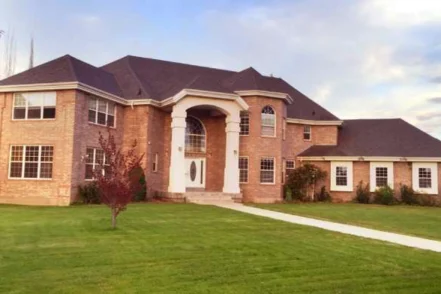 Utah
UtahReflections Recovery Center
145 South 200 East Street, Lindon, UT 84042
-
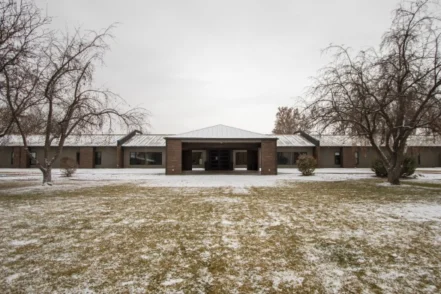 Utah
UtahArdú Recovery Center
1053 West 1020 South, Provo, UT 84601
-
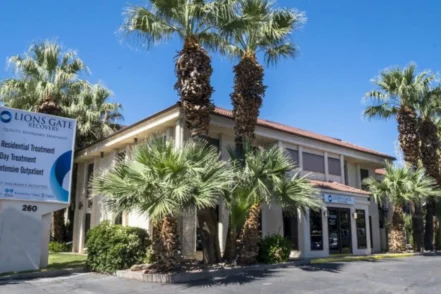 Utah
UtahLion’s Gate Recovery
260 West Saint George Boulevard, St. George, UT 84770
-
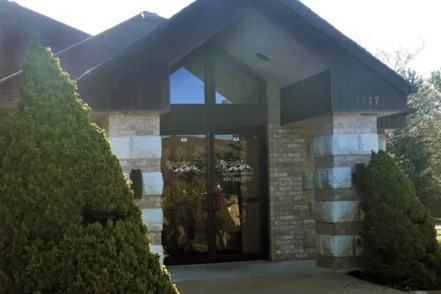 Utah
UtahRenaissance Ranch Ogden
5677 S 1475 E, Suite 4A Ogden, Utah 84403
-
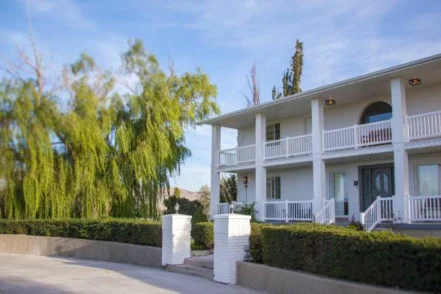 Utah
UtahRenaissance Ranch Mens Center
2973 W 13800 S Bluffdale, Utah 84065
-
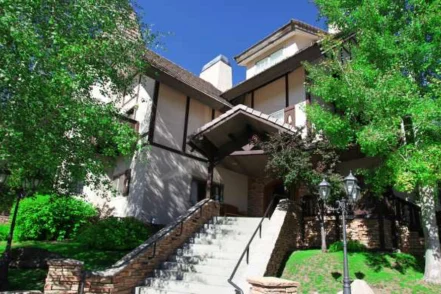 Utah
UtahChateau Recovery
375 Rainbow Lane Midway, Utah 84049
-
 Utah
UtahTurning Point Centers Bell Canyon
2945 East Turning Point Circle Centerville, Utah 84092
-
 Utah
UtahAcqua Recovery
100 North Johnson Mill Road, Midway, UT 84049