
About Second Nature Therapeutic Wilderness Program
Second Nature Therapeutic Wilderness Program is a wilderness therapy provider in Duchesne, Utah serving adolescents ages 13 to 17 who are struggling with mental and behavioral health challenges. The program combines outdoor living and backpacking with structured client, group, and family therapy with integrated academics and medical support.
What kind of programs does Second Nature offer?
Second Nature provides a therapist driven wilderness therapy model that includes weekly client sessions, structured group therapy formats such as Milan Group and Standing Groups, and family therapy. Optional psychological, psychoeducational, and neuropsychological testing is available in the field to clarify diagnoses, assess learning differences, and inform treatment planning.
Who can get help at Second Nature?
The program serves adolescents ages 13 to 17 facing depression, anxiety, ADHD, learning differences, and broader behavioral or emotional dysregulation. Second Nature is designed for teens who need intensive therapeutic support in a non-traditional setting.
What does a typical day look like?
Students live in semi-permanent basecamps in the Uinta Basin and High Uinta Mountains equipped with wood burning stoves, heated shower tents, and spaces for therapy, academics, and group activities. The routine includes low impact hiking of one to four miles per day with layover days for therapy sessions, medical visits, and resupply.
Real growth in a wild place
Second Nature Therapeutic Wilderness Program in Duchesne offers adolescents a unique opportunity to heal and build resilience through clinically integrated outdoor experiences and accredited academics.
Addiction Treatment Programs

Alcohol Rehab
If you choose an alcohol rehab in Utah, you’ll receive professional treatment that will help you break free of addiction. The rehab program may use multiple approaches, including nutrition, psychology, holistic methods, and support groups. These tools help you build a substance-free lifestyle and move into long-term recovery.

Dual Diagnosis
Dual diagnosis treatment in Utah addresses both your mental health and your recovery needs. In addition to typical detox, inpatient treatment, and outpatient care, a dual diagnosis program may include medication management, additional counseling, and classes on healthy coping and other important life skills.

Opioid Addiction
If you’re struggling with opioid addiction, consider finding a treatment program in Utah. Opioid treatment programs address the mental, emotional, and relational issues that may contribute to addiction. You’ll learn to build a new support network that supports your long-term sobriety.

Young Adult Rehab
Young adult rehab programs in Utah address the unique needs of this stage of life. In addition to typical detox, inpatient treatment, and outpatient care, a young adult program may also teach clients about living independently, budgeting, having healthy relationships, parenting, and more.

LGBTQ Friendly Rehab
When you attend an LGBTQ+ friendly rehab in Utah, you’ll work with professionals who understand the unique challenges you face in creating a substance-free life. Whether you need detox, inpatient treatment, or outpatient care, an LGBTQ+ friendly program will offer specific support for your emotional, mental, and social needs.

Men's Rehab
A men’s rehab in Utah helps clients build same-gender friendships, overcome substance use, and learn new life skills. In addition to typical detox, inpatient treatment, and outpatient care, a men’s program may also teach clients about having healthy relationships, fatherhood, building a career, and more.

Women's Rehab
Choosing a women’s rehab in Utah helps give the support you need in overcoming addiction and learning to handle gender-specific challenges. In addition to typical detox, inpatient treatment, and outpatient care, a women’s program may also teach clients about motherhood, building a career, being safe in relationships, and more.
Insurance Coverage

Self-pay options
In Utah one option for paying for substance use treatment is self-pay, also known as private pay. This method allows you to write a check, use a medical loan, or electronically send money to the center you prefer. The fee structure may vary depending on the level of care.

Private insurance
There are many ways to pay for rehab in Utah, including using private insurance. Plans vary, so contact the insurer to find out what treatment centers are in your plan’s network and to learn coverage details.
Levels of Care
- 1
Inpatient Rehab
Attending inpatient treatment in Utah allows you to get evidence-based care while living in the facility, helping you establish long-term recovery. In inpatient care, you learn the roots of substance use, get a better understanding of the long-term impact of addiction, and learn how to use healthy coping skills and a strong support network to achieve recovery.
- 2
Aftercare Support
Aftercare in Utah can provide encouragement, support, and accountability as you move from treatment into lifelong recovery. Aftercare services help provide stability as you establish your new life and may include help with employment, housing, sober activities, making friends, and finding long-term support.
Therapies

Cognitive Behavior Therapy
If you’re struggling with substance use in Utah, you may not realize how connected your thoughts and actions are. Cognitive behavioral therapy (CBT) can help increase your awareness. Your underlying core beliefs can cause you to automatically react in certain ways. CBT helps you identify these immediate responses, challenge them and choose a healthier response.

Dialectical Behavior Therapy
If you’re struggling with substance use in Utah, you may not realize that you have the power to improve your circumstances. Dialectical behavioral therapy (DBT) can help you learn how to make positive changes. You probably have unhelpful thoughts and behaviors that you have inadvertently practiced for years. DBT helps you identify these behaviors and choose a healthier response.

Experiential Therapy
Experiential therapy in Utah allows you to participate in hands-on activities that can help you work through challenges. Experiential therapy can help you face your emotions and learn skills that give you a healthier way to manage stress and handle substance use triggers in day-to-day life.

Family Therapy
Family therapy in Utah is generally led by a professional who facilitates family member’s sharing of their experiences and emotions. Family members learn how to play a positive role in supporting your recovery. Family therapy is a normal part of evidence-based treatment programs and may be a part of inpatient treatment, outpatient care, or both. Topics include addressing past events, overcoming codependence and enablement, and building healthy, supportive relationships with each other.

Group Therapy
Group therapy in Utah is generally led by a professional who facilitates clients sharing about their experiences and emotions. Group therapy can be part of detox, inpatient treatment, and outpatient care. It’s generally combined with individual counseling, activities, life-skills classes, and relapse prevention planning.

Individual Therapy
Overcoming substance use is easier if you’re not alone. During individual therapy in Utah, you’ll have a professional ally who will help you see things in a new way. A professional therapist can help you identify substance use triggers, reshape your thinking about specific topics, and address prior experiences and trauma that impact your substance use habits.
Location
Contact Second Nature Therapeutic Wilderness Program

 Sponsored
Treatmentcentersdirectory.com regularly reviews this listing for accuracy but changes may occur between updates. For the most up-to-date information, please contact Second Nature Therapeutic Wilderness Program.
Top Drug Rehab Centers in Utah
-
 Utah
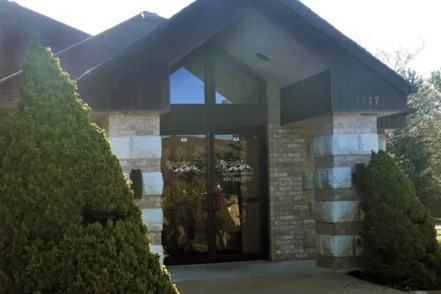
UtahRenaissance Ranch Ogden
5677 S 1475 E, Suite 4A Ogden, Utah 84403
-
 Utah
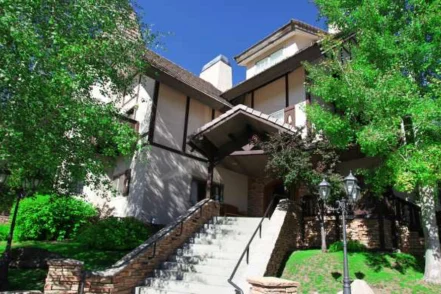
UtahChateau Recovery
375 Rainbow Lane Midway, Utah 84049
-
 Utah
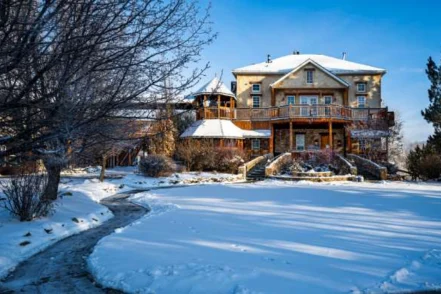
UtahAcqua Recovery
100 North Johnson Mill Road, Midway, UT 84049
-
 Utah
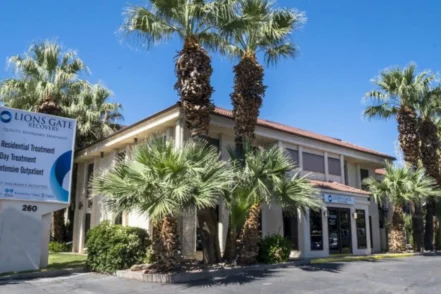
UtahLion’s Gate Recovery
260 West Saint George Boulevard, St. George, UT 84770
-
 Utah
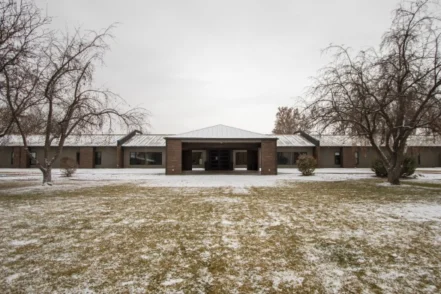
UtahArdú Recovery Center
1053 West 1020 South, Provo, UT 84601
-
 Utah
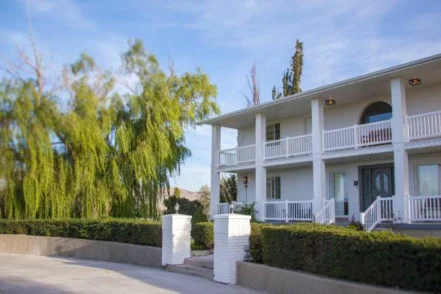
UtahRenaissance Ranch Mens Center
2973 W 13800 S Bluffdale, Utah 84065
-
 Utah
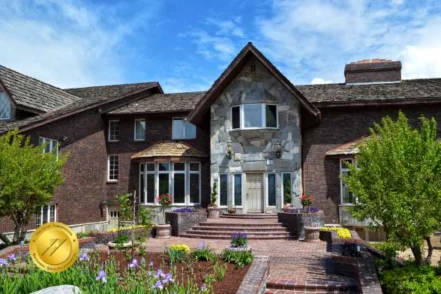
UtahMaple Mountain Recovery
727 East 1100 South Mapleton, Utah 84664
-
 Utah
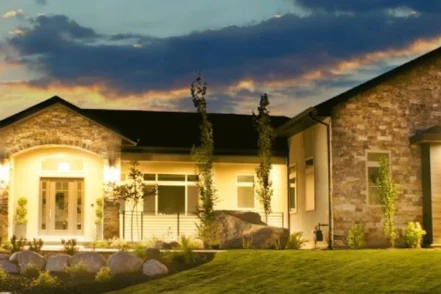
UtahTurning Point Centers Bell Canyon
2945 East Turning Point Circle Centerville, Utah 84092
-
 Utah
UtahReflections Recovery Center
145 South 200 East Street, Lindon, UT 84042