
About LifeSpring Health Systems
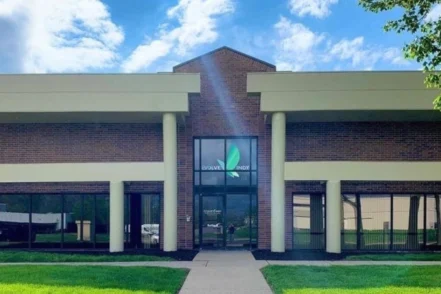
LifeSpring Health Systems Scott County Office is an outpatient behavioral health and addiction treatment provider serving Scottsburg, Indiana, as part of a long-established Southern Indiana network.
The team supports adolescents, adults and older adults facing substance use disorders, mental health conditions and co-occurring concerns through individual, group and family therapy.
As a Community Health Center, LifeSpring is committed to making care accessible, with a team-based, individualized model designed to meet each person where they are.
Outpatient Addiction Treatment with Life Skill Resources
The Scott County office offers comprehensive outpatient care for substance use disorders, including thorough assessments and ongoing substance use counseling. Clients receive support through a mix of individual, group and family therapy formats tailored to their goals and recovery stage.
Treatment draws on evidence based approaches such as cognitive behavioral therapy, dialectical behavior therapy, motivational interviewing and relapse prevention counseling.
Sessions help clients identify triggers, build coping skills and connect with 12-step support and life-skills resources to strengthen long-term recovery.
Integrated Care for Co-Occurring Disorders
LifeSpring specializes in treating co-occurring substance use and mental health conditions through an integrated care model.
By combining behavioral health, addiction services and primary care under one network, the program addresses the full picture of a client’s wellbeing rather than isolating symptoms.
Affordability-Based In Person Care
The Scott County office is located in Scottsburg, Indiana, providing in-person outpatient services as part of LifeSpring’s regional network across Southern Indiana.
Founded in 1964, LifeSpring is a Joint Commission accredited Community Health Center that accepts Medicare, Medicaid, CHIP, private insurance, military insurance and self-pay.
They offer asliding fee schedule based on family size and income so no one is turned away due to inability to pay.
Addiction Treatment Programs

Dual Diagnosis
When you have a dual diagnosis, you have mental health and substance use concerns. It’s important to choose a rehab in Indiana that can treat both. Along with traditional evidence-based substance use treatment, clients may receive mental health counseling, medication, peer support, and other tools to help them manage their mental health.

Young Adult Rehab
Young adult rehabs in Indiana help young people overcome substance use and learn new life skills. Along with traditional evidence-based treatment, clients may receive educational support, employment training, and help securing housing.

Adult Program
Those who join an adult program in Indiana are given training in key life skills to help them with parenting, their career, and more. Along with traditional evidence-based treatment, clients may receive employment support, parenting classes, and help securing housing.

Senior Rehab
If you’re older, finding a senior rehab in Indiana can make all the difference in helping you overcome substance use. Along with traditional evidence-based treatment, clients may receive peer support, pain management education, and referrals to social services that can help with challenging aspects of daily life.

Men's Rehab
If you’re a man struggling with substance use, consider a men’s rehab program in Indiana. Along with traditional evidence-based treatment, clients may receive education on topics relevant to men, such as fatherhood, healthy relationships, emotional vulnerability, and more.

Women's Rehab
A women’s rehab in Indiana addresses the recovery needs of female clients and gives them the tools they need to succeed. Along with traditional evidence-based treatment, clients may receive help with childcare, classes in parenting, and advice about being a working mother and building healthy relationships.
Medication Assisted Treatment (MAT)
LifeSpring offers Medication Assisted Treatment for opioid use disorder through psychiatric providers, combining medication with counseling as part of Recovery Services at the Scottsburg office.
DUI Services
The Scott County Office provides DUI-specific services as part of LifeSpring’s continuum of recovery care, addressing substance use issues tied to impaired driving offenses in Scottsburg, Indiana.
Addiction Psychiatry
LifeSpring Health Systems integrates addiction psychiatry into its Recovery Services, offering psychiatric evaluation and medication support for individuals with substance use and co-occurring conditions.
Recovery Coaching
Recovery coaching is available through LifeSpring’s continuum of care, giving clients in Scott County ongoing peer guidance and accountability alongside clinical counseling and psychiatric services.
Peer Support Services
LifeSpring Health Systems provides peer support services within its Recovery Services program, connecting individuals in Scottsburg with peers who understand the recovery process firsthand.
Prevention Services
Prevention Services offered by LifeSpring aim to reduce substance use risk in the community, complementing treatment programs available through the Scott County Office in Scottsburg, Indiana.
Adolescent and Adult Behavioral Health
LifeSpring Health Systems serves children, adolescents, and adults across Scott County and surrounding Indiana counties, offering integrated mental health and addiction services tailored to different age groups.
Insurance Coverage

Medicaid
If you qualify for Medicaid in Indiana, you can use your coverage to help pay for rehab treatment. You can find treatment centers that accept Medicaid offering multiple levels of care, including detox, inpatient, and outpatient. You may pay little or nothing out-of-pocket.

Private insurance
If you have private insurance, that’s one good way to pay for substance use treatment in Indiana. Your insurance plan can pay for some or all of the costs of rehab, although you will want to contact the insurer for full details. You may have some out-of-pocket costs such as copays or deductibles.

Self-pay options
Paying for rehab in Indiana can be done a number of ways, including self-pay. When you pay on your own, you can write a check, send money electronically, or use a medical loan. Check with the center for the fee structure, which may vary based on the level of care.

Financial aid
There are many ways to pay for rehab in Indiana, including using financial aid programs if you qualify. Treatment programs may offer grants and scholarships to help you afford the cost of treatment, or you might find help from non-profits or other community groups.

Sliding scale payment assistance
There are many ways to pay for rehab in Indiana, including finding a program with a sliding scale payment plan. Centers make lower fee arrangements for those in need based on income and family size. You may need to provide documentation.

Medicare
For those with Medicare, using your coverage to pay for treatment in Indiana can make rehab more accessible. Keep in mind that Medicare plans vary, so it’s important to check on coverage information and to find out which treatment centers accept your coverage.

Military insurance
There are many ways to pay for rehab in Indiana, including using military insurance if you’re a service member or veteran. Plans vary, so contact the insurer to find out what treatment centers are in your plan’s network and to learn coverage details.
Levels of Care
- 1
Outpatient Rehab
LifeSpring Health Systems Scott County Office in Scottsburg, Indiana provides outpatient treatment for substance use disorders and mental health concerns, including assessment, counseling, and ongoing recovery support services.
Therapies

Cognitive Behavior Therapy
Cognitive behavioral therapy in Indiana can help you challenge the thoughts behind your emotions and actions. CBT is a common part of evidence-based treatment programs and may be a part of inpatient treatment, outpatient care, or both. CBT can be empowering as you learn to manage your thoughts and emotions rather than being overwhelmed by them.

Dialectical Behavior Therapy
Dialectical behavioral therapy in Indiana can help you build confidence and develop healthy coping skills. DBT is a common part of evidence-based treatment programs and may be a part of inpatient treatment, outpatient care, or both.

Experiential Therapy
The goal of experiential therapy in Indiana is to help you process your emotions and gain confidence in your ability to create positive change. Experiential therapy is commonly part of inpatient or intensive outpatient treatment and may be used to help with skill-building, addressing trauma, and managing substance use triggers.

Family Therapy
During family therapy in Indiana, clients have a supportive environment to talk with family members about conflict and unhealthy behaviors that may trigger substance use. Some of the topics covered in family therapy include improving communication, developing healthy coping skills, avoiding codependency and enablement, and learning to support each other in healthy ways that foster recovery from addiction.

Group Therapy
During group therapy in Indiana, clients have a safe environment to share their struggles with others going through similar issues. Group therapy is a normal part of evidence-based treatment programs, and may be a part of inpatient treatment, outpatient care, or both. Topics include addiction education, sharing of experiences, and learning new skills.

Individual Therapy
Individual therapy in Indiana is led by a professional therapist who talks to you about your specific experiences and emotions. Individual therapy is a common part of both inpatient and outpatient substance use treatment and may be used to help with skill-building, overcoming trauma, and creating a substance-free lifestyle.

Trauma Therapy
If you struggle with addiction in Indiana, it’s common to feel like no one understands what you’ve been through. Trauma-informed therapy can help you find professional help addressing your past and creating a healthier response going forward. Trauma-informed therapy sessions generally last 60 to 90 minutes and may include discussing a specific event, talking about emotional triggers, and learning emotional regulation and cognitive restructuring skills.
Individual Counseling
LifeSpring Health Systems provides one-on-one counseling through Recovery Services at the Scottsburg office, helping adults and adolescents in Scott County address substance use and co-occurring mental health concerns.
Group Counseling
Group counseling sessions support recovery skill-building and peer connection as part of the outpatient continuum of care offered at LifeSpring’s Scott County Office in Scottsburg, Indiana.
Family Counseling
Family counseling is included within LifeSpring’s Recovery Services, addressing substance use and behavioral health needs while involving loved ones in the treatment process at the Scottsburg location.
Medication Management
Psychiatric providers at LifeSpring Health Systems offer medication management alongside counseling, supporting individuals receiving both mental health and substance use treatment in Scott County.
Location
Contact LifeSpring Health Systems


 Sponsored
Treatmentcentersdirectory.com regularly reviews this listing for accuracy but changes may occur between updates. For the most up-to-date information, please contact LifeSpring Health Systems.
Top Drug Rehab Centers in Indiana
-
 Indiana
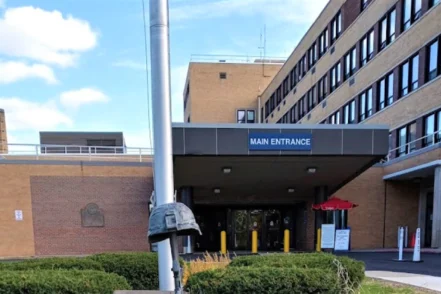
VA Northern Indiana Health Care System Fort Wayne Campus
2121 Lake Avenue Fort Wayne, Indiana 46805
-
 Indiana
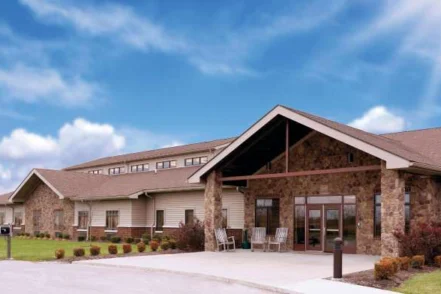
Brentwood Springs
4488 Roslin Road Newburgh, Indiana 47630
-
 Indiana
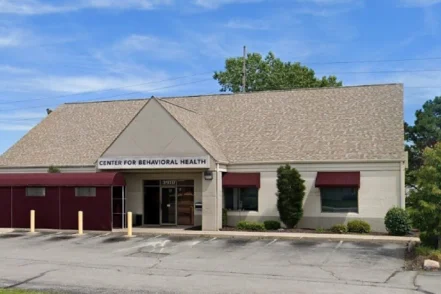
Parkview Behavioral Health Institute – Park Center
1909 Carew Street, Fort Wayne, IN 46805
-
 Indiana
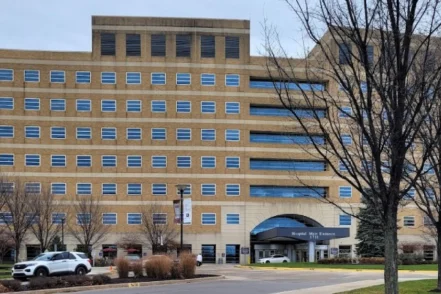
IU Health Methodist Hospital
1701 North Senate Avenue, Indianapolis, IN 46202
-
 Indiana
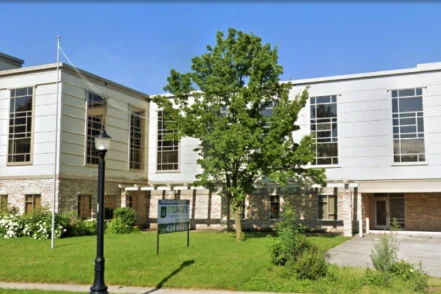
Avenues Recovery Center at Fort Wayne
2626 Fairfield Avenue Fort Wayne, Indiana 46807
-
 Indiana
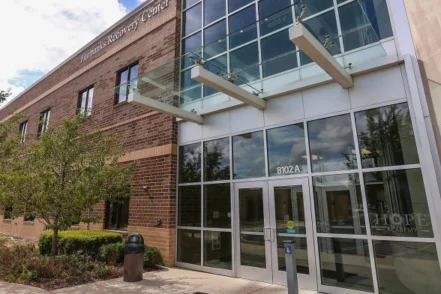
Community Fairbanks Recovery Center
8102 Clearvista Parkway, Indianapolis, IN 46256
-
 Indiana
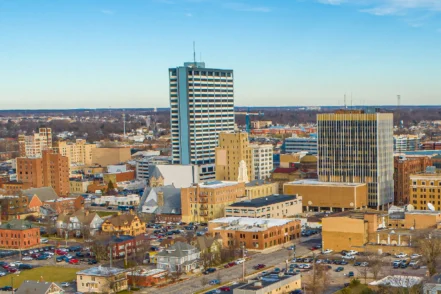
Alcohol & Addictions Resource Center
818 East Jefferson Boulevard, South Bend, IN 46617
-
 Indiana
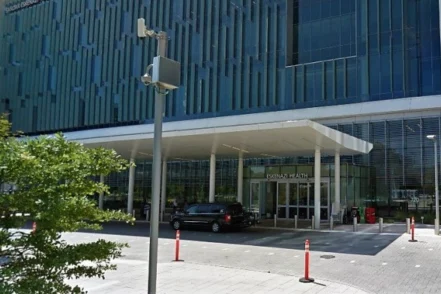
Sandra Eskenazi Mental Health Center – Crisis Intervention
720 Eskenazi Avenue, Indianapolis, IN 46202
-
 Indiana
Evolve Indy
8770 Guion Rd, Suite B Indianapolis, Indiana 46268