
About Hamilton Center
Hamilton Center Linton is a treatment center that serves Greene County as part of Hamilton Center’s regional network across west central Indiana.
They offer substance use treatment and crisis services, care management and specialized programs for veterans and families.
Clients find the person centered care helpful and it connects addiction care with mental health, family and community support services.
What therapies are used?
The Linton site provides outpatient substance use treatment including the Matrix Model intensive outpatient program built around three two hour sessions weekly for at least 16 weeks.
Care includes relapse prevention, education and social support groups, counseling and substance screening as well as family education and 12 step meetings using approaches like motivational interviewing, cognitive behavioral therapy and dialectical behavior therapy.
Who can receive care at the center?
Hamilton Center Linton serves adults and children, adolescents and families.
The location also offers Military Veteran Program resources for service members, veterans and their families and gives priority access to pregnant women with substance use disorders and people who use intravenous drugs.
Where is the center located?
The center is located at 1200 County Rd 1000 W in Linton, Indiana serving Greene County within Hamilton Center’s broader regional footprint.
What about payment options?
Hamilton Center accepts insurance, Medicaid and Medicare as well as Tricare and private pay.
Indiana residents may qualify for fee adjustments based on family size, income and diagnosis, with payment plan assistance available when appropriate.
Addiction Treatment Programs

Alcohol Rehab
In Indiana, an alcohol rehab provides a combination of therapy and education to help clients overcome alcohol misuse. Alcohol programs address the mental, emotional, and relational issues that may contribute to addiction. You’ll learn to build a new support network that supports your long-term sobriety.

Dual Diagnosis
When you have a dual diagnosis, you have mental health and substance use concerns. It’s important to choose a rehab in Indiana that can treat both. Along with traditional evidence-based substance use treatment, clients may receive mental health counseling, medication, peer support, and other tools to help them manage their mental health.

Opioid Addiction
Rehab in Indiana helps clients find the motivation to make a change and gives them the tools to break free from opioid addiction and achieve long-term sobriety. These treatment programs offer detox, inpatient treatment, and outpatient care. You may receive individual, group, and family counseling, peer support, and classes in essential life skills.

Young Adult Rehab
Young adult rehabs in Indiana help young people overcome substance use and learn new life skills. Along with traditional evidence-based treatment, clients may receive educational support, employment training, and help securing housing.

Adult Program
Those who join an adult program in Indiana are given training in key life skills to help them with parenting, their career, and more. Along with traditional evidence-based treatment, clients may receive employment support, parenting classes, and help securing housing.

LGBTQ Friendly Rehab
Finding an LGBTQ+ friendly rehab in Indiana can make all the difference in helping you overcome substance use. LGBTQ+ friendly programs may include detox, inpatient treatment, outpatient care, aftercare services, and more. They will be tailored to take into account your unique individual needs.

Military Rehab
A military rehab in Indiana will understand the unique issues faced by military members and veterans that can make recovery harder. Along with traditional evidence-based treatment, clients may receive trauma-focused care, peer support, help with PTSD, and classes in overcoming other specific challenges.

Men's Rehab
If you’re a man struggling with substance use, consider a men’s rehab program in Indiana. Along with traditional evidence-based treatment, clients may receive education on topics relevant to men, such as fatherhood, healthy relationships, emotional vulnerability, and more.

Women's Rehab
A women’s rehab in Indiana addresses the recovery needs of female clients and gives them the tools they need to succeed. Along with traditional evidence-based treatment, clients may receive help with childcare, classes in parenting, and advice about being a working mother and building healthy relationships.

Matrix Model Program
Hamilton Center offers the Matrix Model, an evidence-based intensive outpatient program at its Greene County site treating stimulant use disorders, including methamphetamine and cocaine, through counseling, drug testing, and family education.
Medication Assisted Treatment
Hamilton Center provides Medication Assisted Treatment for opioid use disorder, including Suboxone and Vivitrol, combined with counseling and recovery support services across its addiction treatment programs.
Dual Diagnosis Program
Hamilton Center integrates behavioral health and addiction services, offering counseling and psychiatric care together for clients facing co-occurring mental health and substance use disorders in Greene County and beyond.
Adolescent and Adult Addiction Services
Addiction services at Hamilton Center are available to both adolescents and adults experiencing problems related to alcohol or other drug use, delivered through outpatient counseling and structured recovery programming.
Insurance Coverage

Medicaid
If you qualify for Medicaid in Indiana, you can use your coverage to help pay for rehab treatment. You can find treatment centers that accept Medicaid offering multiple levels of care, including detox, inpatient, and outpatient. You may pay little or nothing out-of-pocket.

Private insurance
If you have private insurance, that’s one good way to pay for substance use treatment in Indiana. Your insurance plan can pay for some or all of the costs of rehab, although you will want to contact the insurer for full details. You may have some out-of-pocket costs such as copays or deductibles.

Self-pay options
Paying for rehab in Indiana can be done a number of ways, including self-pay. When you pay on your own, you can write a check, send money electronically, or use a medical loan. Check with the center for the fee structure, which may vary based on the level of care.

Financial aid
There are many ways to pay for rehab in Indiana, including using financial aid programs if you qualify. Treatment programs may offer grants and scholarships to help you afford the cost of treatment, or you might find help from non-profits or other community groups.

Sliding scale payment assistance
There are many ways to pay for rehab in Indiana, including finding a program with a sliding scale payment plan. Centers make lower fee arrangements for those in need based on income and family size. You may need to provide documentation.

Medicare
For those with Medicare, using your coverage to pay for treatment in Indiana can make rehab more accessible. Keep in mind that Medicare plans vary, so it’s important to check on coverage information and to find out which treatment centers accept your coverage.

Military insurance
There are many ways to pay for rehab in Indiana, including using military insurance if you’re a service member or veteran. Plans vary, so contact the insurer to find out what treatment centers are in your plan’s network and to learn coverage details.
Levels of Care
- 1
Outpatient Rehab
Hamilton Center’s Greene County location in Linton offers outpatient addiction treatment for adolescents and adults, including a structured Matrix Model program addressing stimulant use disorders through counseling and support.
- 2
Aftercare Support
Recovery support services and ongoing social support groups help clients at Hamilton Center maintain abstinence after completing the Matrix Model program, reinforcing early recovery skills over time.
- 3
Partial Hospitalization Program
Hamilton Center describes a continuum of care including intensive outpatient treatment, with the Matrix Model functioning as a structured, higher-intensity program option for substance use disorders.
Therapies

Cognitive Behavior Therapy
Cognitive behavioral therapy in Indiana can help you challenge the thoughts behind your emotions and actions. CBT is a common part of evidence-based treatment programs and may be a part of inpatient treatment, outpatient care, or both. CBT can be empowering as you learn to manage your thoughts and emotions rather than being overwhelmed by them.

Dialectical Behavior Therapy
Dialectical behavioral therapy in Indiana can help you build confidence and develop healthy coping skills. DBT is a common part of evidence-based treatment programs and may be a part of inpatient treatment, outpatient care, or both.

Family Therapy
Family education and support sessions are integrated into Hamilton Center’s addiction programming, helping loved ones understand recovery from stimulant and other substance use disorders alongside the client.

Group Therapy
Group counseling sessions at the Linton location support clients working through substance use disorders, offering peer encouragement and structured skill-building within Hamilton Center’s Matrix Model outpatient program.

Individual Therapy
Hamilton Center’s Addictions Services in Greene County provides one-on-one counseling as a core component of the Matrix Model, helping clients address stimulant use disorders through structured, evidence-based individual sessions.

Trauma Therapy
If you struggle with addiction in Indiana, it’s common to feel like no one understands what you’ve been through. Trauma-informed therapy can help you find professional help addressing your past and creating a healthier response going forward. Trauma-informed therapy sessions generally last 60 to 90 minutes and may include discussing a specific event, talking about emotional triggers, and learning emotional regulation and cognitive restructuring skills.
Cognitive Behavioral Therapy (CBT)
Hamilton Center’s Matrix Model program in Greene County combines cognitive behavioral therapy techniques with counseling to help clients recognize triggers and build coping skills for stimulant use disorders.
Motivational Interviewing (MI)
Motivational interviewing is used within the Matrix Model at Hamilton Center to strengthen client commitment to recovery from methamphetamine, cocaine, and other stimulant use disorders.
Relapse Prevention Therapy (RPT)
Relapse prevention skills are taught throughout Hamilton Center’s structured outpatient Matrix Model, equipping clients in Greene County with tools to maintain abstinence after completing treatment.
Accreditations

Location
Contact Hamilton Center


 Sponsored
Treatmentcentersdirectory.com regularly reviews this listing for accuracy but changes may occur between updates. For the most up-to-date information, please contact Hamilton Center.
Top Drug Rehab Centers in Indiana
-
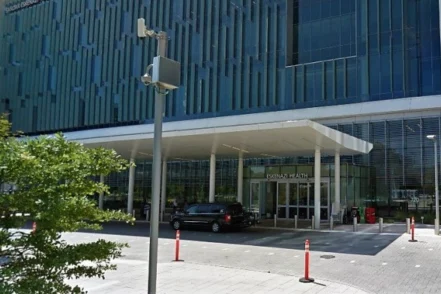 Indiana
Sandra Eskenazi Mental Health Center – Crisis Intervention
720 Eskenazi Avenue, Indianapolis, IN 46202
-
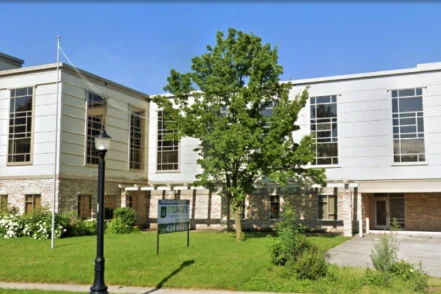 Indiana
Avenues Recovery Center at Fort Wayne
2626 Fairfield Avenue Fort Wayne, Indiana 46807
-
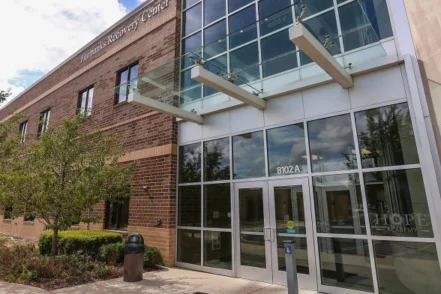 Indiana
Community Fairbanks Recovery Center
8102 Clearvista Parkway, Indianapolis, IN 46256
-
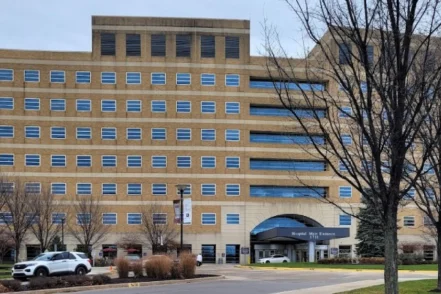 Indiana
IU Health Methodist Hospital
1701 North Senate Avenue, Indianapolis, IN 46202
-
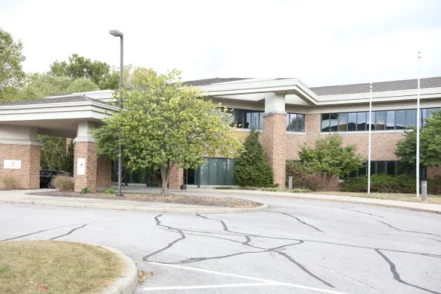 Indiana
Landmark Recovery Indianapolis
6330 Digital Way Indianapolis, Indiana 46278
-
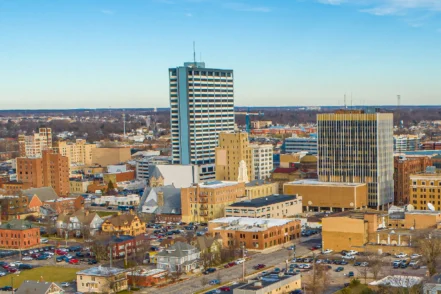 Indiana
Alcohol & Addictions Resource Center
818 East Jefferson Boulevard, South Bend, IN 46617
-
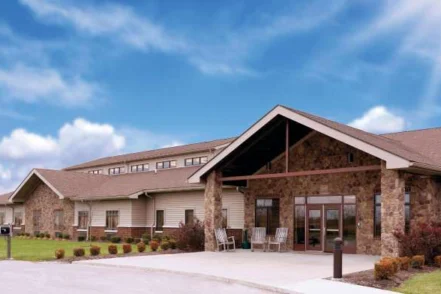 Indiana
Brentwood Springs
4488 Roslin Road Newburgh, Indiana 47630
-
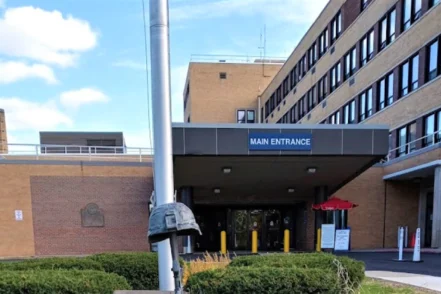 Indiana
VA Northern Indiana Health Care System Fort Wayne Campus
2121 Lake Avenue Fort Wayne, Indiana 46805
-
 Indiana
Parkview Behavioral Health Institute – Park Center
1909 Carew Street, Fort Wayne, IN 46805
-
 Indiana
Evolve Indy
8770 Guion Rd, Suite B Indianapolis, Indiana 46268