
About Midwest Center for Youth and Families Kouts
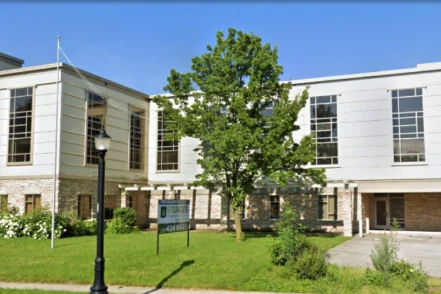
Midwest Center for Youth and Families is a residential treatment center in Kouts, Indiana.
DBT is a structured therapy that teaches skills for handling intense emotion, and the center uses it with children and teens who struggle with emotional and behavioral problems.
What is day in treatment like?
Group therapy runs daily at Midwest Center and it’s divided by age and gender. Each resident meets a therapist individually once a week.
Families also join a weekly family therapy session.
Young people whose substance use is part of the picture also get education on how it affects their mental health. Activity groups add music, art and pet therapy.
The program does not use seclusion, which means no resident is isolated alone.
Is there school during treatment?
Midwest Academy is the center’s licensed and accredited school, and it sits on the same site as the clinical program.
For a teen in residential care, the school day and the therapy day happen in one location.
You can walk in without an appointment or book a visit ahead. The Kouts center takes TRICARE, most major health insurance, Indiana Medicaid and private pay.
Addiction Treatment Programs

Dual Diagnosis
When you have a dual diagnosis, you have mental health and substance use concerns. It’s important to choose a rehab in Indiana that can treat both. Along with traditional evidence-based substance use treatment, clients may receive mental health counseling, medication, peer support, and other tools to help them manage their mental health.

LGBTQ Friendly Rehab
Finding an LGBTQ+ friendly rehab in Indiana can make all the difference in helping you overcome substance use. LGBTQ+ friendly programs may include detox, inpatient treatment, outpatient care, aftercare services, and more. They will be tailored to take into account your unique individual needs.

Young Adult Rehab
Young adult rehabs in Indiana help young people overcome substance use and learn new life skills. Along with traditional evidence-based treatment, clients may receive educational support, employment training, and help securing housing.

Adolescent Program
Psychiatric Services
Insurance Coverage

Medicaid
Indiana Medicaid counts among the treatment funding options at Midwest Center for Youth and Families.

Private insurance
Most major health insurance plans count as a treatment funding option here.

Self-pay options
Private pay is among the treatment funding options here.

Financial aid
There are many ways to pay for rehab in Indiana, including using financial aid programs if you qualify. Treatment programs may offer grants and scholarships to help you afford the cost of treatment, or you might find help from non-profits or other community groups.

Military insurance
TRICARE is among the funding options, and the center is TRICARE-certified as a residential treatment facility.
Levels of Care
- 1
Inpatient Rehab
At Midwest Center for Youth and Families, youth come for short-term residential Dialectical Behavior Therapy (DBT), an intensive and structured program for children and adolescents living with complex mental illnesses.
Therapies

Cognitive Behavior Therapy
Cognitive behavioral therapy in Indiana can help you challenge the thoughts behind your emotions and actions. CBT is a common part of evidence-based treatment programs and may be a part of inpatient treatment, outpatient care, or both. CBT can be empowering as you learn to manage your thoughts and emotions rather than being overwhelmed by them.

Dialectical Behavior Therapy
Dialectical behavioral therapy in Indiana can help you build confidence and develop healthy coping skills. DBT is a common part of evidence-based treatment programs and may be a part of inpatient treatment, outpatient care, or both.

Experiential Therapy
The goal of experiential therapy in Indiana is to help you process your emotions and gain confidence in your ability to create positive change. Experiential therapy is commonly part of inpatient or intensive outpatient treatment and may be used to help with skill-building, addressing trauma, and managing substance use triggers.

Family Therapy
During family therapy in Indiana, clients have a supportive environment to talk with family members about conflict and unhealthy behaviors that may trigger substance use. Some of the topics covered in family therapy include improving communication, developing healthy coping skills, avoiding codependency and enablement, and learning to support each other in healthy ways that foster recovery from addiction.

Group Therapy
During group therapy in Indiana, clients have a safe environment to share their struggles with others going through similar issues. Group therapy is a normal part of evidence-based treatment programs, and may be a part of inpatient treatment, outpatient care, or both. Topics include addiction education, sharing of experiences, and learning new skills.

Individual Therapy
Individual therapy in Indiana is led by a professional therapist who talks to you about your specific experiences and emotions. Individual therapy is a common part of both inpatient and outpatient substance use treatment and may be used to help with skill-building, overcoming trauma, and creating a substance-free lifestyle.

Trauma Therapy
If you struggle with addiction in Indiana, it’s common to feel like no one understands what you’ve been through. Trauma-informed therapy can help you find professional help addressing your past and creating a healthier response going forward. Trauma-informed therapy sessions generally last 60 to 90 minutes and may include discussing a specific event, talking about emotional triggers, and learning emotional regulation and cognitive restructuring skills.

Recreational Therapy
When you’re struggling with addiction in Indiana, nontraditional approaches can help you heal. Recreational therapy, which uses group games and activities to build cooperation and communication skills, is one example. You may struggle to gain personal confidence or learn to trust others in a traditional setting. Recreational therapy gives you a fun, different environment and can help you breakthrough.
Location
Contact Midwest Center for Youth and Families Kouts

 Sponsored
Treatmentcentersdirectory.com regularly reviews this listing for accuracy but changes may occur between updates. For the most up-to-date information, please contact Midwest Center for Youth and Families Kouts.
Top Drug Rehab Centers in Indiana
-
 Indiana
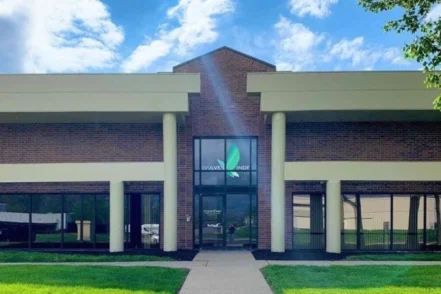
Evolve Indy
8770 Guion Rd, Suite B Indianapolis, Indiana 46268
-
 Indiana
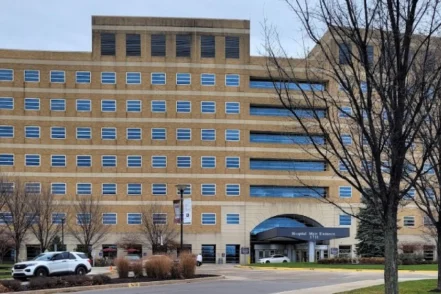
IU Health Methodist Hospital
1701 North Senate Avenue, Indianapolis, IN 46202
-
 Indiana
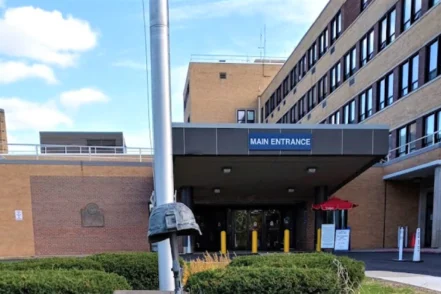
VA Northern Indiana Health Care System Fort Wayne Campus
2121 Lake Avenue Fort Wayne, Indiana 46805
-
 Indiana
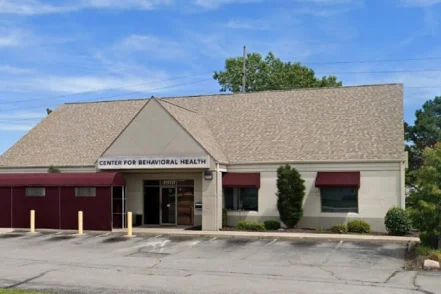
Parkview Behavioral Health Institute – Park Center
1909 Carew Street, Fort Wayne, IN 46805
-
 Indiana
Alcohol & Addictions Resource Center
818 East Jefferson Boulevard, South Bend, IN 46617
-
 Indiana
Brentwood Springs
4488 Roslin Road Newburgh, Indiana 47630
-
 Indiana
Sandra Eskenazi Mental Health Center – Crisis Intervention
720 Eskenazi Avenue, Indianapolis, IN 46202
-
 Indiana
Community Fairbanks Recovery Center
8102 Clearvista Parkway, Indianapolis, IN 46256
-
 Indiana
Avenues Recovery Center at Fort Wayne
2626 Fairfield Avenue Fort Wayne, Indiana 46807
Other Popular Indiana Cities
Browse by Indiana cities
FAQs
Is Midwest Center for Youth and Families an inpatient or outpatient program?
It provides inpatient rehab in the form of short-term residential Dialectical Behavior Therapy (DBT), an intensive and structured program for adolescents facing extreme emotional instability. Substance use treatment adds education on how use affects a young person’s mental health.
What is the environment like for young people staying at the center?
The environment is locked and secure, pro-social and seclusion-free. A Ropes Course, organized by a recreational therapist, gives children a natural setting where they can practice the DBT skills they are learning. People can walk in, and appointments can also be made.
What kinds of therapy does the center use?
Treatment at this teen rehab center is built on Dialectical Behavior Therapy (DBT), an intensive and structured approach. Youth also get weekly individual therapy and weekly family therapy, along with daily group sessions that are age-appropriate and gender-focused. Activity groups use music and art, plus teambuilding, pet therapy and a ropes course. Psychiatric evaluation and medication monitoring round out the schedule.