
Indianapolis, IN Drug & Alcohol Treatment Centers

14 results nearby

Looking for help with addiction in Indianapolis, IN?

NameAddressTreatment ProgramsInsuranceMedia

Oxford House Kai

4060 Tarry Lane
Greenwood, Indiana 46142

Treatment Programs

  • Alcohol Rehab
  • Dual Diagnosis
  • +3

Insurance

  • Self-pay options

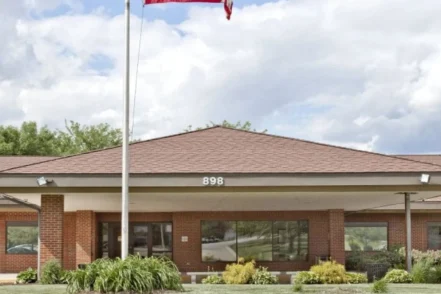
Valle Vista Health System

898 East Main Street
Greenwood, Indiana 46143

Treatment Programs

  • Alcohol Rehab
  • Dual Diagnosis
  • +4

Insurance

  • Medicaid
  • Private insurance
  • +5
Get Help Now
Confidential & Free
463-255-6635
Sponsored
  • Learn about treatment options
  • Find helpful resources
  • Available 24/7

Indy Interventions

500 South Polk Street, Suite 6-L
Greenwood, Indiana 46143

Treatment Programs

  • Alcohol Rehab
  • Dual Diagnosis
  • +7

Insurance

  • Self-pay options

Families First Plainfield

1913 Crown Plaza Boulevard
Plainfield, Indiana 46168

Treatment Programs

  • Dual Diagnosis
  • Young Adult Rehab
  • +1

Insurance

  • Medicaid
  • Private insurance
  • +3

Sudsberry and Associates

Suite 400
Avon, Indiana 46123

Treatment Programs

  • Drug Rehab

Cummins Mental Health Center – Avon

6655 East US Highway 36
Avon, Indiana 46123

Treatment Programs

  • Drug Rehab
  • Dual Diagnosis
  • +5

Emerald Neuro-Recover

12265 Hancock Street, 42
Carmel, Indiana 46032

Treatment Programs

  • Alcohol Rehab
  • Dual Diagnosis
  • +4

Insurance

  • Private insurance
  • Self-pay options

Heartland Health Care Center Avon

445 South County Road 525 East
Avon, Indiana 46123

Treatment Programs

  • Drug Rehab

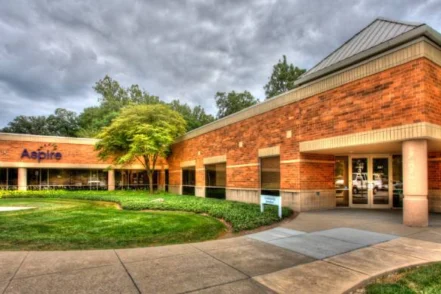
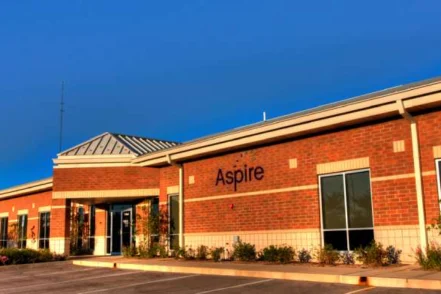
Aspire Indiana Health Carmel Health Center

697 Pro Med Lane
Carmel, Indiana 46032

Treatment Programs

  • Alcohol Rehab
  • Dual Diagnosis
  • +5

Insurance

  • Medicaid
  • Private insurance
  • +5

Fairbanks Recovery Lodge

1550 East 156th Street
Carmel, Indiana 46032

Treatment Programs

  • Alcohol Rehab
  • Dual Diagnosis
  • +7

Insurance

  • Self-pay options
  • Private insurance

Pro Active Resources Noblesville Office

44 North 9th Street, Suite 208
Noblesville, Indiana 46060

Treatment Programs

  • Alcohol Rehab
  • Dual Diagnosis
  • +6

Insurance

  • Private insurance
  • Self-pay options
  • +3

Community Health Network – Hancock County

145 West Green Meadows Drive, 1
Greenfield, Indiana 46140

Treatment Programs

  • Dual Diagnosis
  • Adult Program
  • +5

Insurance

  • Medicaid
  • Private insurance
  • +2

Tara Outpatient Services

77 West Monroe Street
Franklin, Indiana 46131

Treatment Programs

  • Drug Rehab

Insurance

  • Private insurance
  • Self-pay options
  • +1

Aspire Indiana Health Noblesville

17840 Cumberland Road
Noblesville, Indiana 46060

Treatment Programs

  • Alcohol Rehab
  • Dual Diagnosis
  • +4

Insurance

  • Medicaid
  • Private insurance
  • +5

Treatment in Indianapolis: Where Programs Actually Sit

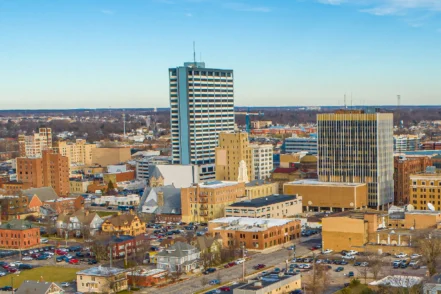
Indianapolis holds more addiction treatment than anywhere else in Indiana. Our directory lists 48 treatment centers in the city itself, from hospital-affiliated inpatient care down through outpatient counseling and recovery housing. Because the city and Marion County were consolidated under Unigov, the city limit and the county line are nearly the same thing, so two programs sharing a city on their address can sit half an hour apart.

Programs sit across the whole county rather than in one district, which is what makes a consolidated city hard to read off a listing page. The largest visible share gathers in and around downtown and the near-west hospital district north of the White River, and others sit well out toward the Interstate 465 loop.

Past the county line the listings thin out and change character: Carmel and Noblesville to the north, Greenwood and Franklin to the south, Avon and Plainfield to the west, and Greenfield to the east all hold programs, and most of them are outpatient.

That is why a search for Indianapolis returns centers in Greenwood or Avon. The map pulls a radius rather than stopping at the city limit, and here it crosses the county line almost immediately. Interstate 465 ties those towns to the core, which makes this one treatment market in practice: people commonly begin residential care inside the loop and step down to outpatient or sober living closer to home.

Starting Treatment in Indianapolis: How It Works Here

Indiana has no county approval step to clear before treatment. You contact a certified program directly and are assessed there. The Division of Mental Health and Addiction, part of the state’s Family and Social Services Administration, certifies every addiction treatment provider in Indiana, and each county has a designated community mental health center, usually the starting point for publicly funded care.

If you are unsure where to begin, dial 211 at any hour and ask to be connected to treatment. Indiana runs no treatment locator of its own, and the state’s certified-provider link points out to a national directory, so a phone call is usually the faster route.

Recovery housing is where Indiana gives you something concrete to check. A facility may use the words “recovery residence” only if it is registered and in good standing with the state, and homes at the higher support levels carry a state designation as well. Look up any sober living home by name through the state’s provider search before anyone signs anything.

The city holds the full range. Inpatient care, residential programs, partial hospitalization, intensive outpatient, and standard counseling all sit inside Marion County. The ring towns run heavily to outpatient, so someone in Greenwood or Avon who needs a residential bed usually comes into the city for it.

Attending a program several days or evenings a week is workable inside the loop; from the outer counties it means a car and a rush-hour commute. When you ask which level of care fits, that geography matters as much as the program list.

How People Reach Programs in Indianapolis

Indianapolis International Airport (IND) sits southwest of downtown off Interstate 70 at exit 68, five minutes west of the I-465 loop, and the drive into the core runs 15 to 20 minutes outside rush hour. Many residential programs arrange airport pickup, so ask admissions when you call and confirm before you book a flight.

Driving, the region is organized around I-465, the beltway that circles the county, with Interstate 70 crossing it east to west, Interstate 65 running northwest to southeast, and Interstate 69 heading north toward Fishers and Noblesville.

Transit is the part people misjudge. Indianapolis has no rail service of any kind, so IndyGo buses are the whole system, and two rapid lines do most of the useful work. The Red Line runs from Broad Ripple through downtown and south toward the University of Indianapolis, every 15 minutes, 20 hours a day, seven days a week.

Check IndyGo’s current map before traveling since, much of the year, highways are under construction. The Purple Line runs 15.2 miles from the downtown transit center out 38th Street and Post Road to Lawrence, every 15 to 20 minutes at peak, with weekday service until 1 a.m.

Service that late is what makes an evening intensive outpatient program workable without a car, provided your program sits near one of those corridors. IndyGo is a Marion County system, so Carmel, Fishers, Greenwood, and Avon have no city bus service.

The Recovery Environment: Winter, Trails, and the White River

Central Indiana has four real seasons, and the winter one shapes a 30 to 90-day stay. The National Weather Service office here puts normal snowfall at about 25 inches a year, with the first measurable snow usually arriving around November 24 and the last around March 16.

Average first freeze is October 26, average last freeze April 17. A stay running through those months is largely an indoor stay. Summers are hot and humid, and outdoor programming holds up from April into October.

Outdoor life here is organized around trails and the White River. The Central Canal Towpath and downtown Canal Walk give flat, protected walking within a few blocks of the near-west hospital district, and the Monon Trail runs north through Broad Ripple.

On the northwest side, Eagle Creek Park covers about 3,900 acres of land and 1,400 acres of water, one of the largest municipal parks in the country. Fort Harrison State Park in Lawrence sits at the Purple Line’s eastern end, which puts a state park within reach of someone with no car.

Sober Life in Indianapolis

Recovery life here is spread out rather than gathered in one district, which follows from the size of the city. Daily routines get built around the trails and the canal rather than a waterfront or a nightlife district to avoid. Indianapolis is also a university town several times over, so young adults in recovery have company here.

The argument for staying local is the continuum. Inpatient care, outpatient programs, and recovery housing all sit inside one county, so you can move down through levels of care without changing cities, and aftercare planning can point at programs a few miles away.

A Loved One’s Guide to Treatment in Indianapolis

If someone you love is entering a program here, expect limited contact at the start. Most residential programs restrict calls and visits during the first stretch, then open scheduled visiting hours or family days. Ask admissions for the family policy and any family program dates before booking travel.

Where to stay depends on where the program sits, and the city is big enough that the answer varies. Ask admissions for the nearest cross streets, then pick lodging off the closest I-465 interchange rather than defaulting downtown. Downtown itself works well for programs in the core and the near-west hospital district.

Between visits, the places that support your loved one’s recovery work for you as well: the Canal Walk downtown, the Monon Trail, the trails at Eagle Creek. If the program offers a family session while you are in town, take it.

Browse the Indianapolis listings above to compare programs, or see what the rest of the state holds in Indiana.

Questions People Ask About Treatment in Indianapolis

Common questions about arriving, getting around, and what to expect from treatment in Indianapolis. If a question is not covered here, a program’s admissions team can answer it directly.

What is the first step to getting treatment in Indianapolis?

Call a program directly and ask for an assessment. Indiana requires no county or authority approval first, and because the state’s Division of Mental Health and Addiction certifies every addiction treatment provider in Indiana, a certified program can assess you and recommend a level of care. To start with a neutral call instead, dial 211, which runs around the clock.

How do I check whether a sober living home in Indianapolis is licensed?

Look it up through the state’s provider search before you pay a deposit. Indiana restricts the words “recovery residence” to homes registered and in good standing with the state. If a home cannot tell you its status, ask why before committing.

Do I need a car for outpatient treatment in Indianapolis?

Inside Marion County, often not. The Red Line and Purple Line run late enough to cover evening programming, so a program near College Avenue, Meridian Street, or the 38th Street corridor is reachable by bus.

Check the current IndyGo map for your program’s address, since parts of the network have been under construction. Past the county line, there is no city bus service to Carmel, Fishers, Greenwood, or Avon.

Which airport should I fly into for rehab in Indianapolis?

Indianapolis International (IND) covers the whole metro and sits off I-70 at exit 68, a 15 to 20 minute drive from downtown outside rush hour.

Why does an Indianapolis search show centers in other cities?

The listings pull a radius rather than stopping at the city limit, and central Indiana’s suburbs begin close in. Programs in Greenwood, Carmel, Avon, and Greenfield belong to the same treatment market, tied together by I-465.

What should I pack for treatment in Indianapolis?

Between late November and mid March, pack for cold: a heavy coat, boots, gloves, and layers, since measurable snow normally falls across that window and freezing nights run from late October into April. From April into October, lighter clothing and rain gear will do. Your program will send its own packing list, and it wins over this one.

Author

Gayle Morris, BSN, MSN

Gayle Morris, BSN, MSN

Read Bio

Gayle Morris, BSN, MSN, has over two decades of nursing practice. She has published and lectured throughout her career and founded Indiana’s first conference for schoolteachers focused on the needs of children with special needs. As a child, her dream was to become a writer, something she made a reality in 2005 and continues today, writing health and wellness content to help people improve their overall health.

GET HELP NOW CALL NOW 800-897-4135
Sponsored