
About Hope Hall Residential Reentry Center
Hope Hall Residential Reentry Center in Evansville, Indiana is a substance use treatment provider offering residential reentry services for individuals primarily leaving incarceration. Its continuum of care includes long term inpatient residential treatment, transitional housing or sober living, outpatient treatment, case management, and aftercare planning. I think it’s notable that they emphasize dual diagnosis treatment with a trauma informed, evidence based philosophy blending recovery, accountability, and personal stability.
Why People Choose Hope Hall Residential Reentry Center
- Continuum of care: Long-term residential inpatient treatment alongside transitional sober living or halfway house options, plus outpatient support
- Dual diagnosis specialty: Treatment integrated for both substance use disorders and co-occurring mental health conditions
- Evidence based approaches: Uses motivational interviewing, CBT, REBT, 12 step methods, relapse prevention, and Matrix Model for stimulant use
- Populations served: Young adults and adults of all genders, including those post-incarceration or referred through criminal justice systems, and clients on opioid medication
- Case management and life skills: Provides assessments, screenings, discharge planning, employment services, social skills training, and support obtaining services
- Licensed and accredited quality: CARF accreditation and state licensed oversight ensure standards in mental health and substance abuse care
- Affordable access: Accepts self payment, uses sliding fee scale, and utilizes federal and government funding under the ACA for eligible clients
- Location advantages: Located at 811 East Franklin Street in an urban setting with access to local support services and public transportation
How to Begin Treatment and Explore Payment Options
Starting treatment at Hope Hall usually involves contacting admissions to schedule an assessment or screening to determine your needs and match you to the appropriate level of care. Their staff coordinate your care plan, explain what treatments are available whether inpatient or outpatient, and assist in verifying insurance, figuring sliding fee eligibility, or utilizing government funding.
If you want to learn more about Hope Hall Residential Reentry Center in Evansville, Indiana, or explore whether they are the right fit for your needs, reach out to discover how they can support your path to recovery and reentry.
Addiction Treatment Programs

Dual Diagnosis
When you have a dual diagnosis, you have mental health and substance use concerns. It’s important to choose a rehab in Indiana that can treat both. Along with traditional evidence-based substance use treatment, clients may receive mental health counseling, medication, peer support, and other tools to help them manage their mental health.

Men's Rehab
If you’re a man struggling with substance use, consider a men’s rehab program in Indiana. Along with traditional evidence-based treatment, clients may receive education on topics relevant to men, such as fatherhood, healthy relationships, emotional vulnerability, and more.

Women's Rehab
A women’s rehab in Indiana addresses the recovery needs of female clients and gives them the tools they need to succeed. Along with traditional evidence-based treatment, clients may receive help with childcare, classes in parenting, and advice about being a working mother and building healthy relationships.
Insurance Coverage

Self-pay options
Paying for rehab in Indiana can be done a number of ways, including self-pay. When you pay on your own, you can write a check, send money electronically, or use a medical loan. Check with the center for the fee structure, which may vary based on the level of care.

Sliding scale payment assistance
There are many ways to pay for rehab in Indiana, including finding a program with a sliding scale payment plan. Centers make lower fee arrangements for those in need based on income and family size. You may need to provide documentation.
Levels of Care
- 1
Outpatient Rehab
During outpatient treatment in Indiana, clients receive evidence-based treatment while living at home or in sober living. Outpatient treatment includes multiple approaches, including cognitive behavioral therapy (CBT), motivational interviewing (MI), and holistic therapy options.
- 2
Inpatient Rehab
If you want or need to focus on recovery without distractions, consider inpatient treatment in Indiana. Residential treatment allows you to build new relationships and begin to learn how to enjoy life without substance use.
Therapies

Individual Therapy
Individual therapy in Indiana is led by a professional therapist who talks to you about your specific experiences and emotions. Individual therapy is a common part of both inpatient and outpatient substance use treatment and may be used to help with skill-building, overcoming trauma, and creating a substance-free lifestyle.

Group Therapy
During group therapy in Indiana, clients have a safe environment to share their struggles with others going through similar issues. Group therapy is a normal part of evidence-based treatment programs, and may be a part of inpatient treatment, outpatient care, or both. Topics include addiction education, sharing of experiences, and learning new skills.
Accreditations

Location
Contact Hope Hall Residential Reentry Center


 Sponsored
Treatmentcentersdirectory.com regularly reviews this listing for accuracy but changes may occur between updates. For the most up-to-date information, please contact Hope Hall Residential Reentry Center.
Top Drug Rehab Centers in Indiana
-
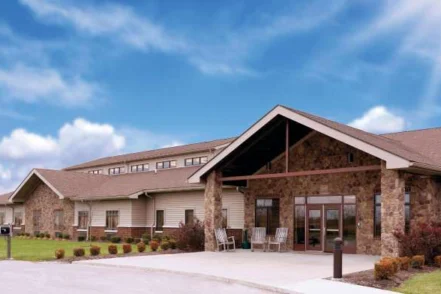 Indiana
Brentwood Springs
4488 Roslin Road Newburgh, Indiana 47630
-
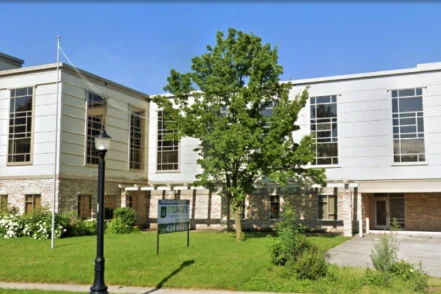 Indiana
Avenues Recovery Center at Fort Wayne
2626 Fairfield Avenue Fort Wayne, Indiana 46807
-
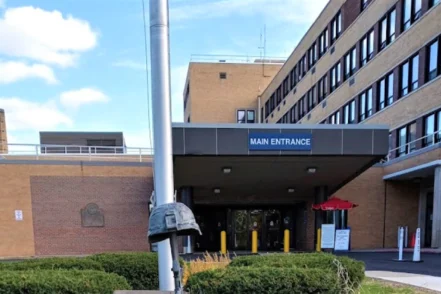 Indiana
VA Northern Indiana Health Care System Fort Wayne Campus
2121 Lake Avenue Fort Wayne, Indiana 46805
-
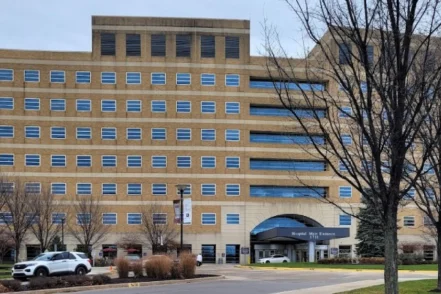 Indiana
IU Health Methodist Hospital
1701 North Senate Avenue, Indianapolis, IN 46202
-
 Indiana
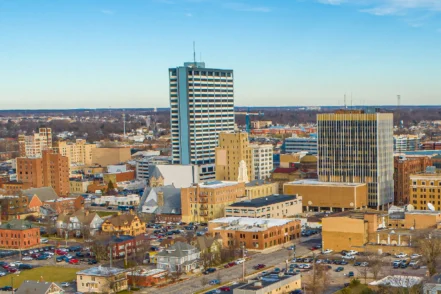
Alcohol & Addictions Resource Center
818 East Jefferson Boulevard, South Bend, IN 46617
-
 Indiana
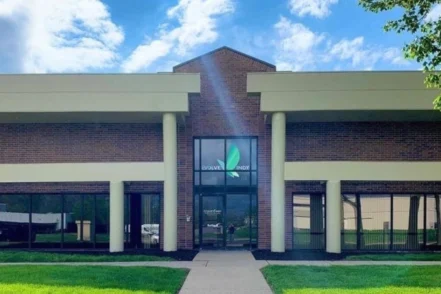
Evolve Indy
8770 Guion Rd, Suite B Indianapolis, Indiana 46268
-
 Indiana
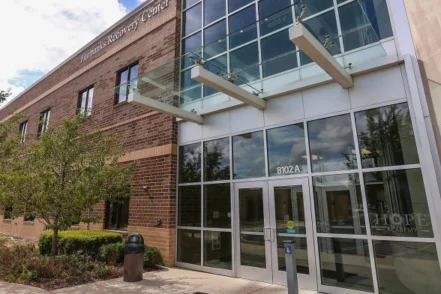
Community Fairbanks Recovery Center
8102 Clearvista Parkway, Indianapolis, IN 46256
-
 Indiana
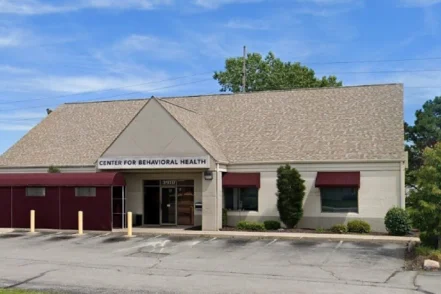
Parkview Behavioral Health Institute – Park Center
1909 Carew Street, Fort Wayne, IN 46805
-
 Indiana
Sandra Eskenazi Mental Health Center – Crisis Intervention
720 Eskenazi Avenue, Indianapolis, IN 46202