
About Community Connections
Community Connections is a community based substance use treatment program in Washington, DC offering outpatient addiction and behavioral health services for adults.
The organization provides outpatient and intensive outpatient care, day treatment, medication assisted treatment and recovery support services.
Community Connections delivers integrated, person centered care that supports lasting recovery and community reintegration.
Medication Assisted Treatment
Treatment often begins with an assessment that guides individualized planning across the outpatient continuum.
Clients can access outpatient and intensive outpatient services, day treatment and an opioid treatment program offering methadone and buprenorphine as part of medication assisted treatment.
Programs pair FDA approved medications with counseling, psychiatric and medication management, and case management.
With integrated care for co-occurring conditions like depression, anxiety, and trauma or PTSD, Community Connections addresses both substance use and mental health needs together.
Quick Facts to Know
- Location: 801 Pennsylvania Avenue SE Suite 201 in Washington, DC
- Levels of care: Outpatient and intensive outpatient, day treatment and an opioid treatment program
- Who they treat: Adults, including veterans and people living with HIV, individuals experiencing homelessness and those re-entering from incarceration
- Approach: Person centered, integrated care for co-occurring mental health and substance use disorders
- MAT: Methadone and buprenorphine combined with counseling and behavioral therapies
- Payment options: Accepts Medicaid and works to serve individuals regardless of ability to pay
- Wraparound supports: Case management and psychiatric services, supported employment and education, and housing services
Addiction Treatment Programs

Dual Diagnosis
During dual diagnosis treatment in District of Columbia, you’ll receive integrated care for your mental health and substance use concerns, helping you establish long-term recovery.In addition to typical detox, inpatient treatment, and outpatient care, a dual diagnosis program may include medication management, additional counseling, and classes on healthy coping and other important life skills.

Young Adult Rehab
Young adult rehab programs in the District of Columbia can help young people make healthier life choices and avoid common mistakes. In addition to typical detox, inpatient treatment, and outpatient care, a young adult program may also teach clients about living independently, budgeting, having healthy relationships, parenting, and more.

Adult Program
When people join an adult program in the District of Columbia, they learn about topics such as employment and raising a family while receiving treatment. In addition to typical detox, inpatient treatment, and outpatient care, an adult program may also teach clients about building a career, saving for retirement, parenting, and more.

Senior Rehab
Senior rehab in District of Columbia offers specialized addiction treatment for older adults that addresses their unique challenges. A specialized rehab for seniors can provide help for the specific challenges of aging. This may include counseling, help with pain management, skills for overcoming loneliness, and more.

LGBTQ Friendly Rehab
If you’re looking for a safe space to work on your recovery as an LGBTQ+ person, consider finding an LGBTQ+ friendly rehab in District of Columbia. Whether you need detox, inpatient treatment, or outpatient care, an LGBTQ+ friendly program will offer specific support for your emotional, mental, and social needs.
Insurance Coverage

Self-pay options
In the District of Columbia, you can pay for addiction treatment using self-pay. Self-pay involves writing a check, getting a medical loan, or having money sent electronically to the clinic. Be sure to check on the fee structure, which may depend on the level of care.

Financial aid
One option for paying for rehab in the District of Columbia, if you’re struggling, is using financial aid programs. You can pay for detox, inpatient treatment, or outpatient care using scholarships or grants from the treatment center or from local organizations.

Medicare
In the District of Columbia, Medicare is one of your options when it comes to paying for rehab. Medicare plans may vary, so be sure to find out coverage details and what copayments or deductibles you might be responsible for.
Levels of Care
- 1
Inpatient Rehab
If you struggle with addiction in District of Columbia, inpatient care is one option for rehab. You’ll live full-time at the facility and focus fully on recovery. In inpatient care, you learn the roots of substance use, get a better understanding of the long-term impact of addiction, and learn how to use healthy coping skills and a strong support network to achieve recovery.
Therapies

Cognitive Behavior Therapy
Not everything we think is true or helpful. Cognitive behavioral therapy in District of Columbia teaches you to challenge distorted thinking so you can see things more clearly and choose healthier responses. Your underlying core beliefs can cause you to automatically react in certain ways. CBT helps you identify these immediate responses, challenge them, and choose a healthier response.

Experiential Therapy
In District of Columbia, experiential therapy helps you express your emotions in non-traditional ways. This makes it much easier to reach long-term recovery. Experiential therapy can help you face your emotions and learn skills that give you a healthier way to manage stress and handle substance use triggers in day-to-day life.

Family Therapy
During family therapy in District of Columbia, clients and their loved ones can address dysfunctional relationships, resentments, and conflicts in order to create healthier relationships that support the client’s recovery. Family therapy is a normal part of evidence-based treatment programs and may be a part of inpatient treatment, outpatient care, or both. Topics include addressing past events, overcoming codependence and enablement, and building healthy, supportive relationships with each other.

Group Therapy
During group therapy in District of Columbia, each client has a chance to share their unique experiences and feelings about the discussion topic. This creates accountability and support. Group therapy can be part of detox, inpatient treatment, and outpatient care. It’s generally combined with individual counseling, activities, life-skills classes, and relapse prevention planning.

Individual Therapy
You’re not alone as you work through addiction in District of Columbia. Individual therapy gives you a professional who’s on your side to help you build a new life. A professional therapist can help you identify substance use triggers, reshape your thinking about specific topics, and address prior experiences and trauma that impact your substance use habits.

Trauma Therapy
During trauma-informed therapy in District of Columbia, you’ll be given the tools you need to manage your emotions and understand what happened in a healthier way. Trauma-informed therapy is one element of rehab treatment, which also includes activities, peer support, individual and group counseling, relapse prevention, and more. Together, all these methods support you in establishing long-term recovery.
Location
Contact Community Connections


 Sponsored
Treatmentcentersdirectory.com regularly reviews this listing for accuracy but changes may occur between updates. For the most up-to-date information, please contact Community Connections.
Top Drug Rehab Centers in District of Columbia
-
 District of Columbia
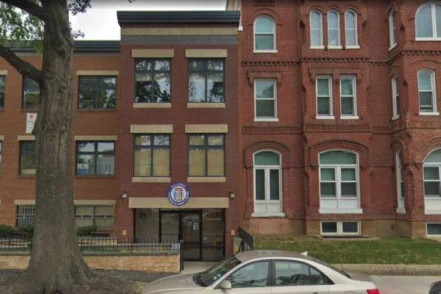
Hillcrest Children and Family Center – Northwest Clinic
915 Rhode Island Avenue Northwest, Washington, DC 20001
-
 District of Columbia
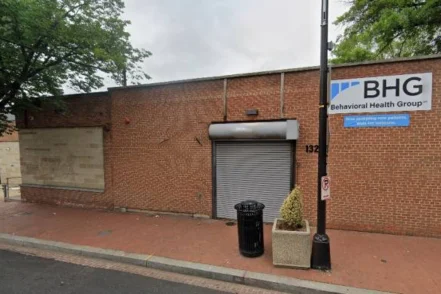
Behavioral Health Group BHG
1320 Good Hope Road SE Washington, District of Columbia 20020
-
 District of Columbia
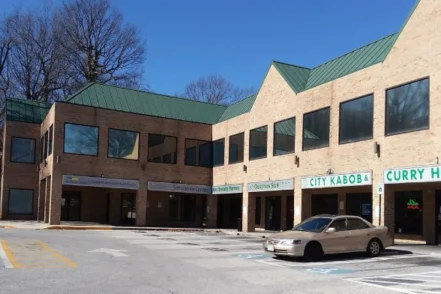
MedStar Washington Hospital Center – Michigan Avenue
216 Michigan Avenue Northeast, Second Fl, Washington, DC 20017
-
 District of Columbia
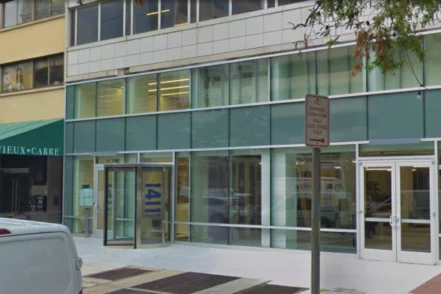
Kolmac Outpatient Recovery Centers
1025 Vermont Avenue Northwest, Suite 305, Washington, DC 20005
-
 District of Columbia
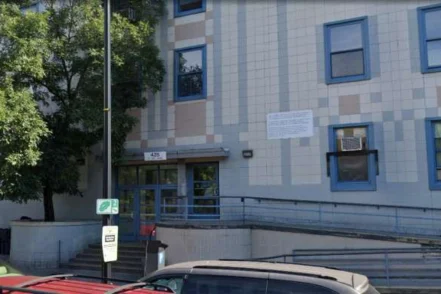
Clean & Sober Street
425 2nd Street Northwest, Washington, DC 20001